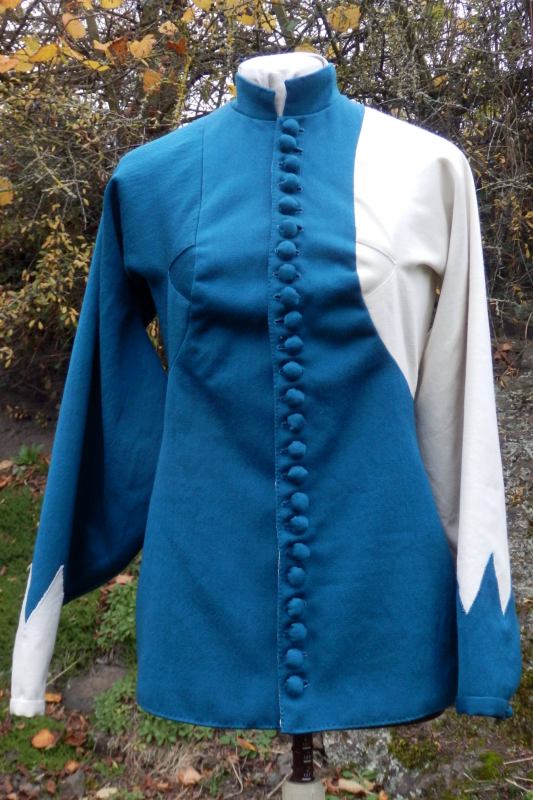
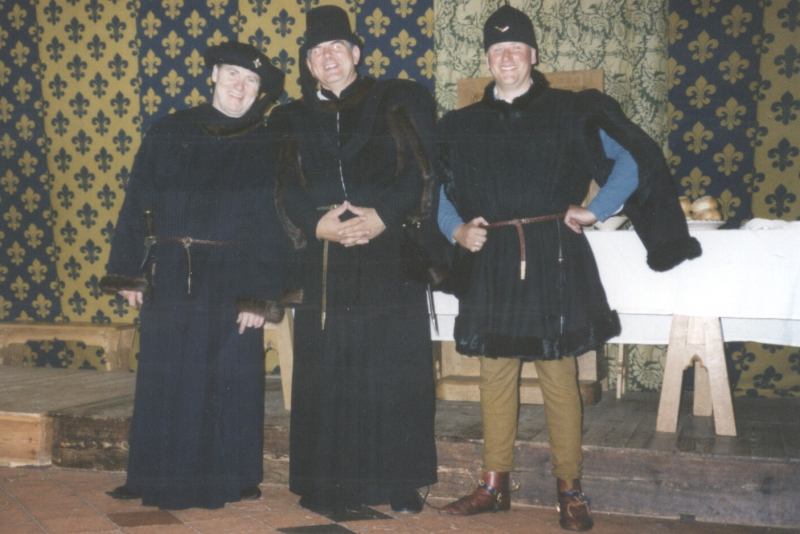
I can’t remember learning to sew. It began (over sixty years ago) with dolls’ clothes, which teach a lot about pattern and detail, but it didn’t become my work until later. I took City and Guilds Fashion in the early 1980s and started making clothing for re-enactors, first the 1640s and then progressively further back in time.
I envisaged making grand outfits with lavish fabrics but soon found it far more satisfying to make something utterly plain but unmistakably of its period. Over the years it’s moved from simply making garments to understanding the processes at any given date. What cloth? What tools? Above all, what idea did the maker have in their head of the garment under construction?
How does one garment – the linen shirt, say, or bias-cut hose – first emerge and then evolve? Why do things stay the same, and why do they change? The answers are lurking in archaeological finds, in written records of all kinds, in church monuments and museum stores.
Fifty years ago I started learning about nineteenth-century dresses by looking at originals. My understanding of construction now reaches back to the earliest evidence for cutting and sewing textile garments, and my objective is to understand more about the methods which emerged two and three thousand years ago.
Making and wearing clothes is a uniquely human activity which deserves much more respect than it gets. I still make things for customers — if you catch me at the right moment — but above all I want to share the ancient skills of garment cutting and sewing with all those who want to learn.

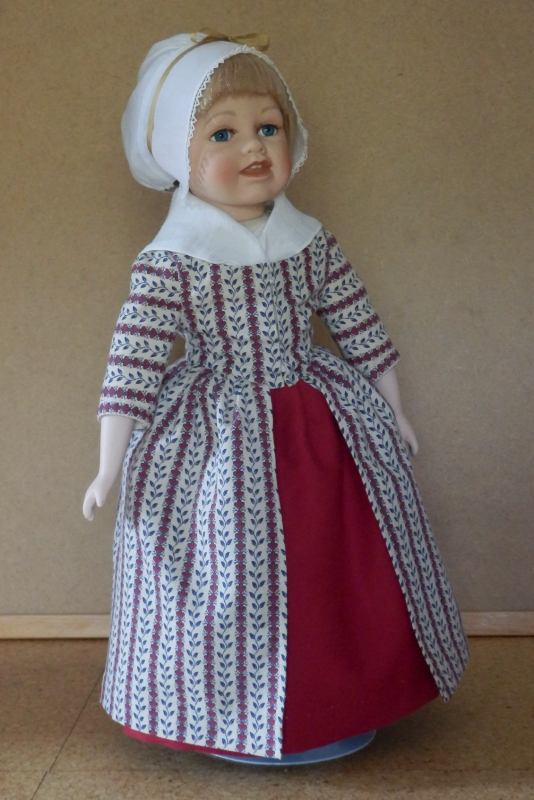
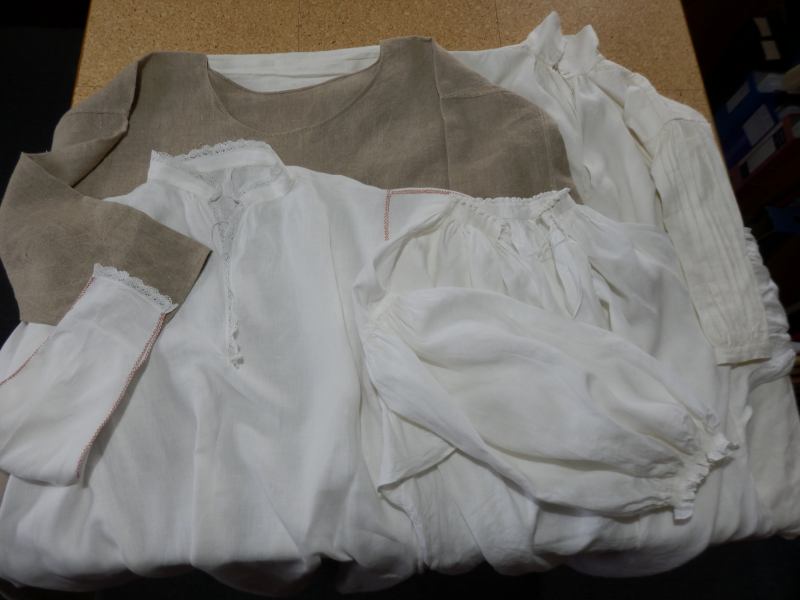
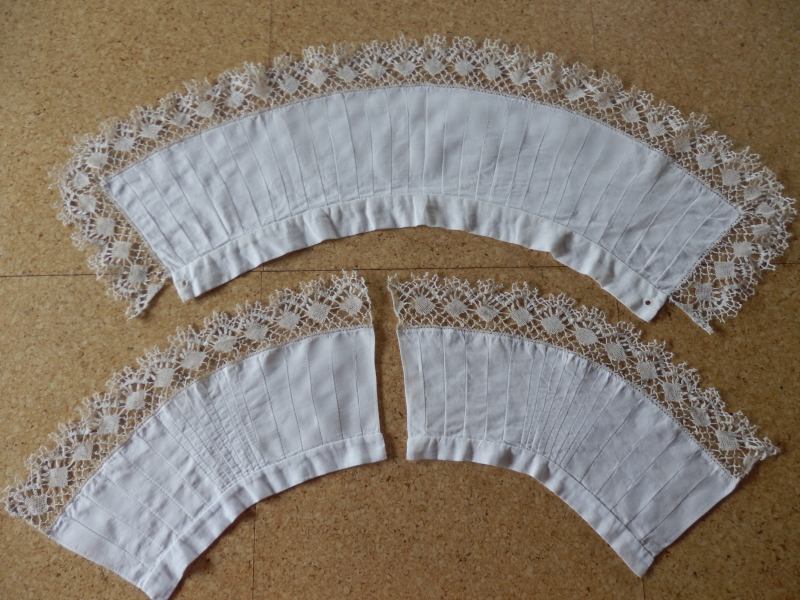
Linen undergarments change more slowly than outerwear and their construction is quite different; linen accessories add vital detail that is too often overlooked.
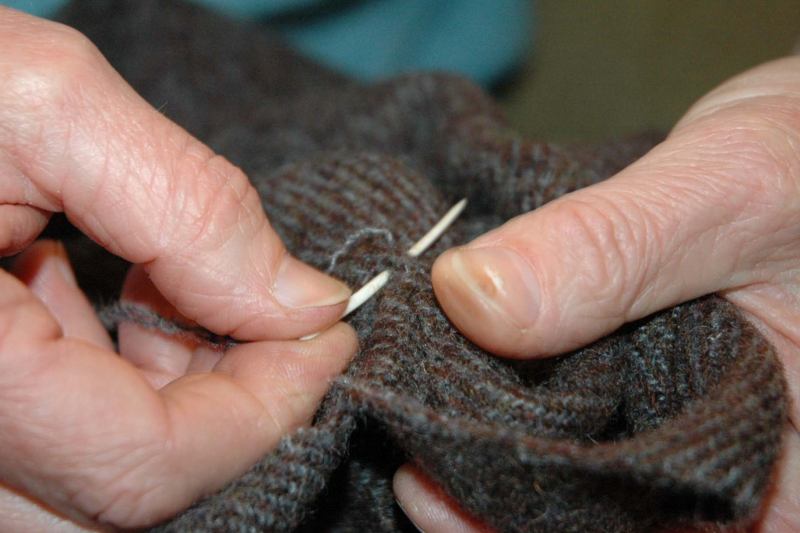
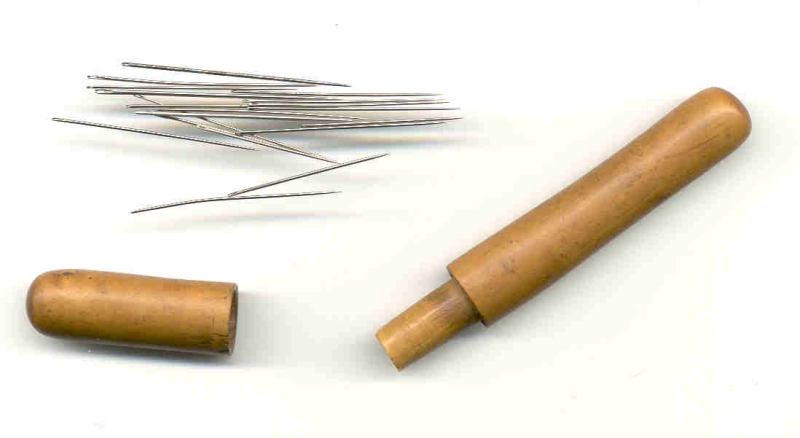
The needle is one of the oldest of human tools, which has changed only in detail in fifty thousand years. The needlecase was my grandmother’s, given to her by her grandmother.
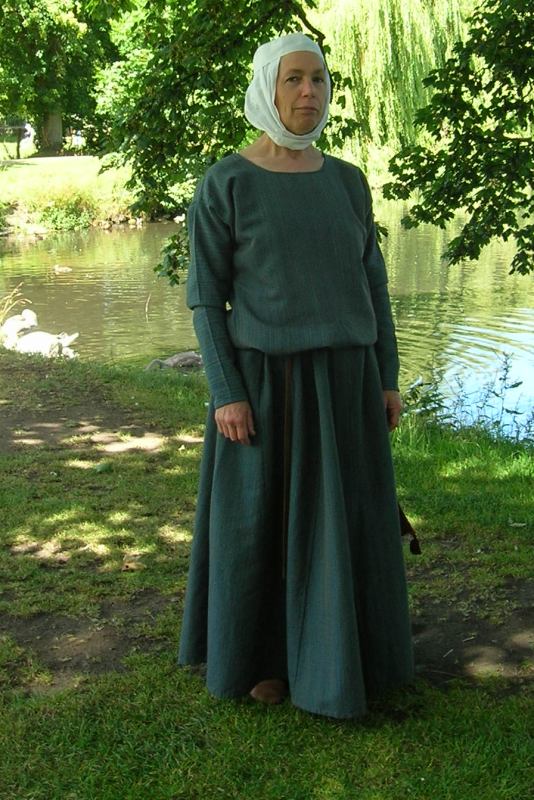
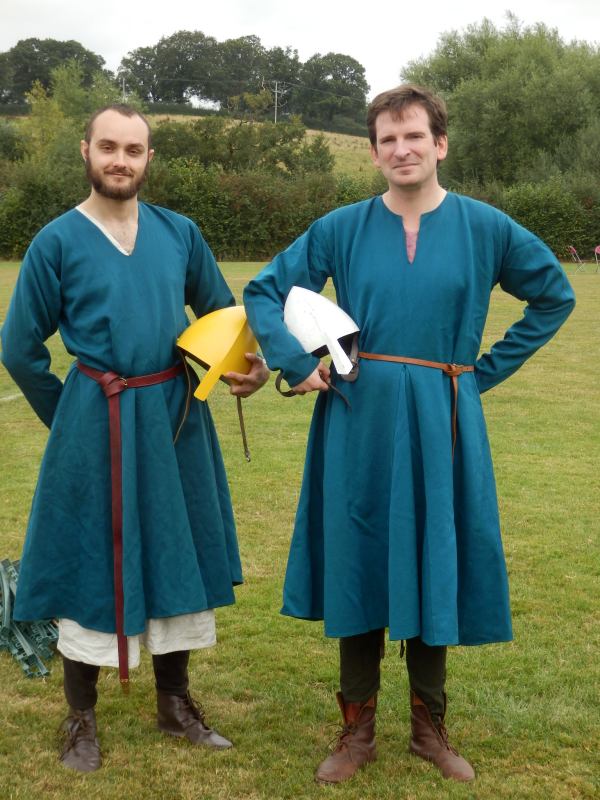
The medieval wardrobe was dominated by the cote or kirtle, now commonly known by its Latin name of ‘tunic’ because that’s what is in the history books. Cotes were cut by dividing the cloth into panels and gores, and the technique is harder to interpret and explain than the later method of shaped patterns. I’m still learning.
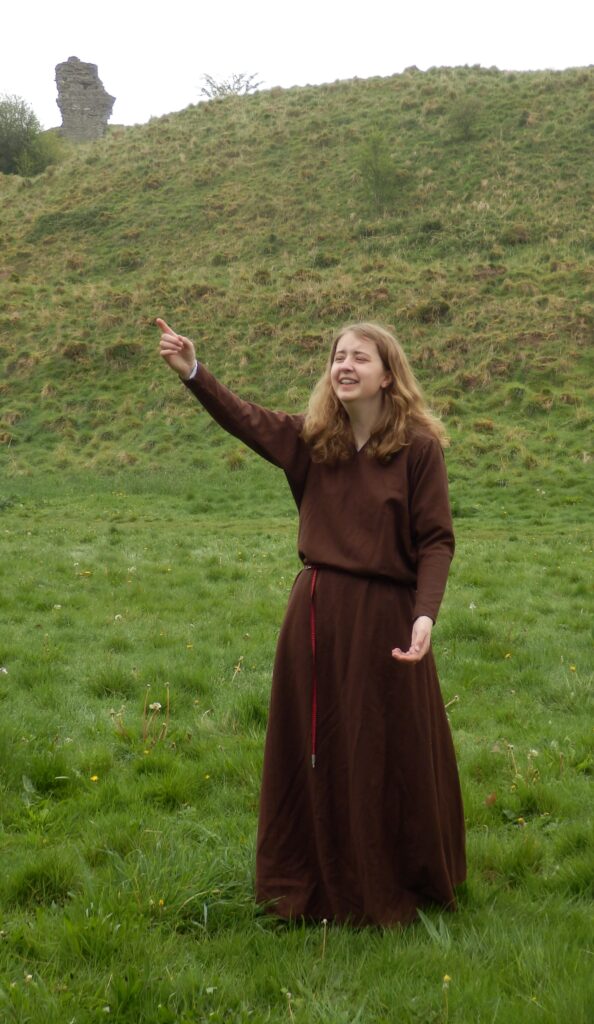
From the mid-fourteenth century, outer garments were increasingly shaped and fitted: first they followed the body, then began to distort and exaggerate it. The number of garments worn, and their different types, increased over the centuries.